After last month’s ice storm, a lot of homeowners across our area have been up in the attic with a flashlight or on the phone with a roofer. So it’s no surprise that one of the most common questions we’re hearing right now is: “If I put solar panels on my roof, will they damage it?”
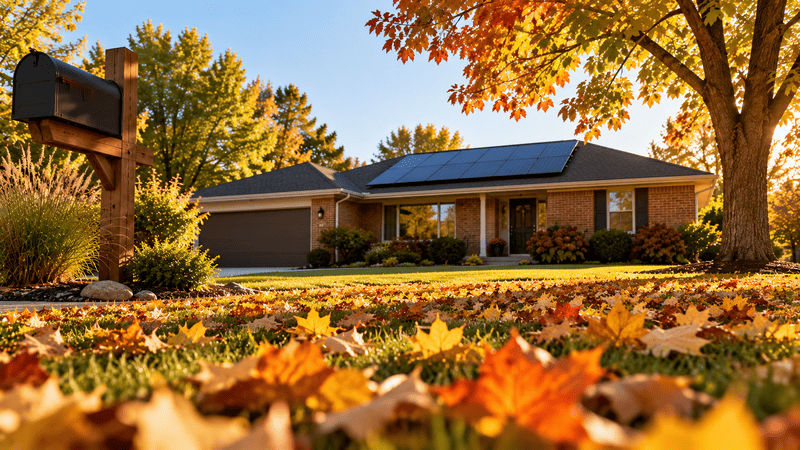
The short answer: on a roof in good condition, a properly installed solar system shouldn’t damage your roof. In some ways, it can even protect the part it covers. But “properly installed” and “good condition” are doing a lot of work in that sentence, so let’s break it down.
How Solar Panels Attach to Your Roof
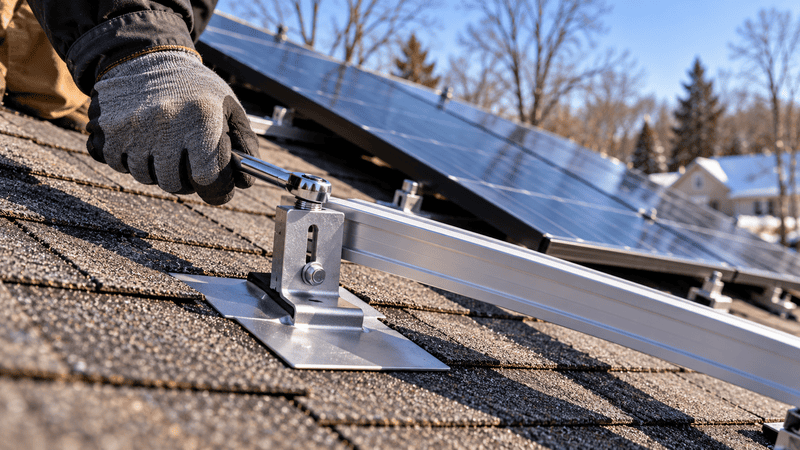
On a typical asphalt shingle roof, panels sit on aluminum rails. Those rails are held by mounts that are bolted into the roof’s rafters, the structural framing under the decking. Each mount is sealed and flashed so water sheds around it instead of into the roof.
Done right, those attachments are designed to stay watertight for decades. Most leak problems people hear about trace back to rushed or careless installation, like mounts that miss the rafters or skip proper flashing. That’s why the installer you choose matters as much as the panels.
Other roof types: Standing-seam metal roofs can often use clamps that grip the seams, so no holes go through the roofing at all. Tile, slate and some flat roofs need different methods, so ask your installer how they handle your roof specifically.
Is My Roof Strong Enough?
For most homes, yes. A typical residential solar panel weighs about 40 pounds and works out to roughly 2.3 pounds per square foot. With racking and hardware included, a complete system usually adds about 3 to 4 pounds per square foot.
For perspective, residential roofs are designed to carry far more than that. Building codes generally require roofs to handle at least 20 pounds per square foot of live load, like snow and workers, on top of the roof’s own weight.
Older homes, previous structural damage or unusual framing can change the picture, which is why a good installer checks the roof structure during the site visit.
Solar Panels Can Actually Protect Your Roof
The shingles under your panels spend the next 25-plus years in the shade. That means:
- Less sun exposure. UV rays and summer heat are a big part of what ages shingles. Panels block much of that.
- A cooler roof in summer. In a well-known UC San Diego study, the ceiling under solar panels was about 5°F cooler during the day than the ceiling under exposed roof, and the panels reduced the heat reaching the roof by about 38%.
- A physical shield. Panels take the brunt of rain, sleet and small debris on the area they cover.
When You Should Replace Your Roof First
This is the most important part. Solar panels are built to last 25 years or more, so they should go on a roof that will last about as long.
If your roof is near the end of its life, it usually makes sense to replace it before going solar. Otherwise, you’ll pay to have the panels removed and reinstalled when the roof needs replacing.
Signs your roof may need attention first:
- It’s approaching the end of its expected life
- Shingles are curling, cracking or missing
- You see granules collecting in your gutters
- There are soft spots, sagging or past leaks
If January’s storm damaged your roof: If you’re already working with your insurance company and a roofer on repairs or a replacement, it’s a smart time to talk with a solar installer, too. Coordinating the two projects can help you avoid having panels removed and reinstalled later.
What About My Roof Warranty?
Ask two questions before you sign with any solar company:
- Does the installer warranty its roof penetrations? A reputable installer stands behind the work it does on your roof, including leaks related to the installation.
- Does your roofing warranty have any requirements? Some shingle manufacturer or roofer warranties have conditions about rooftop equipment. Check your paperwork, or ask your installer to help you review it.
What to Watch for After Installation
A well-installed system needs very little attention. Once or twice a year, and after major storms, it’s worth a quick look:
- Check your attic for water stains near where the panels sit.
- Look from the ground for loose or damaged panels, racking or wiring.
- Watch your monitoring app for sudden drops in production.
If anything looks off, call your installer rather than climbing on the roof yourself. Our winter storm checklist covers what to look for after severe weather.
Talk to Us About Your Roof
When we visit your home, we look at your roof’s age, condition and structure before we design anything. If your roof isn’t ready for solar, we’ll tell you.
Icon Solar has helped homeowners across Ohio, Kentucky and Indiana go solar since 2009. Learn more about how many solar panels your home may need, see how long solar panels last, explore solar for your home, or request your free quote. You can also call us at (866) 396-4266.
Frequently Asked Questions
Do solar panels damage your roof?
On a roof in good condition, a properly installed solar system shouldn’t damage your roof. Mounts are bolted into the rafters and sealed and flashed to keep water out. Most roof problems come from poor installation, not the panels themselves.
Will solar panels make my roof leak?
Not when they’re installed correctly. Each roof attachment is sealed and flashed so water sheds around it. Choose an installer that warranties its roof penetrations.
How much weight do solar panels add to a roof?
Panels weigh about 2.3 pounds per square foot. With racking and hardware, a complete system usually adds about 3 to 4 pounds per square foot, well within what most residential roofs are built to carry.
Should I replace my roof before installing solar panels?
If your roof is near the end of its life, yes. Replacing it first avoids the cost of removing and reinstalling the panels later.
Can solar panels protect my roof?
Yes, for the area they cover. Panels shade shingles from UV rays and summer heat and take the brunt of rain, sleet and small debris.