If the stretch leading into the Fourth of July felt brutal, you weren’t alone. A heat dome settled over much of the country, with extreme heat warnings across Ohio, Indiana and Kentucky. It also put the regional power grid that serves most of our area through one of its toughest tests in decades.
Here’s what happened, why it matters even if your lights stayed on, and where home solar and batteries fit in, including what they can and can’t do.
What Happened on the Grid
Most of Ohio, plus parts of Kentucky and Indiana, is served by PJM, the regional grid operator for 13 states and Washington, D.C. During the heat wave:
- PJM issued Hot Weather Alerts across its entire region and recalled power plants from scheduled maintenance.
- The U.S. Department of Energy issued an emergency order at PJM’s request on June 30, temporarily letting power plants run beyond some normal permit limits.
- Demand climbed to roughly 163,000 megawatts on July 2, PJM’s highest in nearly 20 years and just short of its all-time record from 2006.
- PJM called on demand response. Businesses and households enrolled in programs reduced their usage to keep the system in balance.
- Reserves got thin. On July 2, PJM’s operating reserves fell to about half of the cushion it had the day before.
The grid held, and that’s the good news. The not-so-good news is how little room there was to spare.
Why It Matters Even If Your Power Stayed On
It shows up on your bill, eventually. Tight supply is the reason PJM’s capacity prices have hit their maximum, and that’s part of why Ohio’s electricity supply prices rose on June 1. We covered that in Ohio Electric Rates Went Up June 1.
Wholesale prices spike during heat waves. On July 2, day-ahead wholesale power prices in PJM briefly topped $2,000 per megawatt-hour, many times their normal level. Those spikes don’t hit your bill directly the same day, but costs like these feed into future supply prices.
Demand keeps growing. Grid operators point to fast-rising electricity demand, including from data centers, while new power plants take years to build. Heat waves like this one are a preview of tighter summers ahead.
Where Rooftop Solar Helps
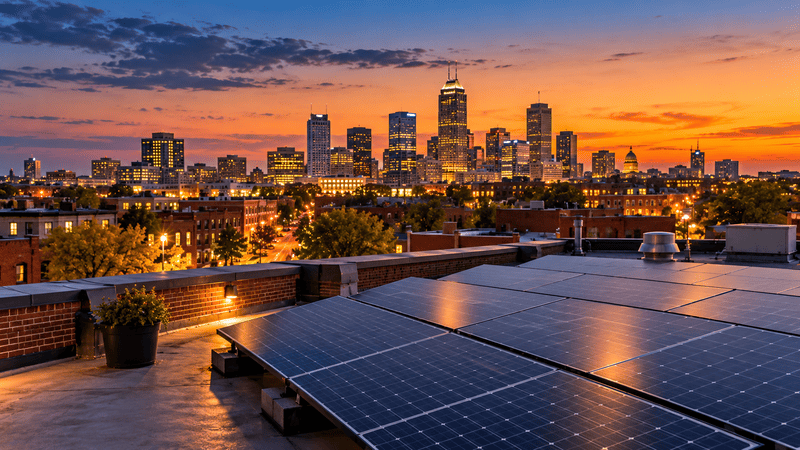
On hot, sunny days, rooftop solar produces a lot of power right where it’s used. Every home making its own electricity at midday is a home pulling less from a strained grid, and buying less at whatever the price happens to be.
But be honest about timing. Grid demand typically peaks in the late afternoon and early evening, roughly 4 to 7 p.m., when people get home and the heat lingers. Solar production is already tapering off by then and stops at sunset. Panels alone help most at midday, not at the very peak.
Where a Home Battery Helps
That’s the gap a battery fills.
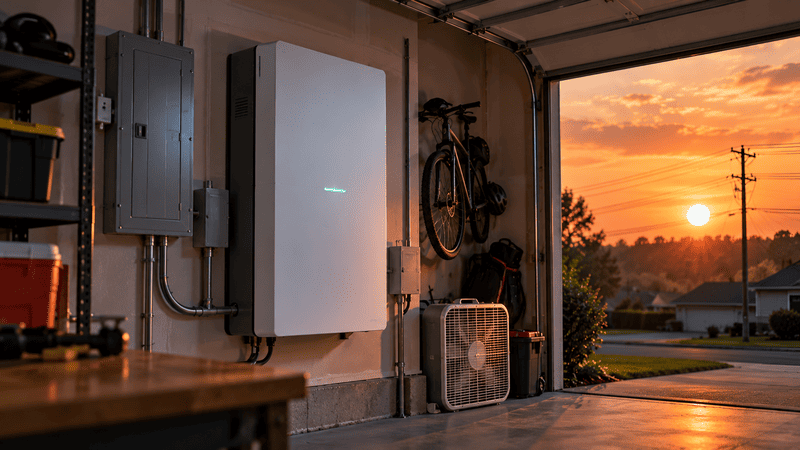
- Shift solar into the evening. A battery can store extra midday solar and use it in the late afternoon and evening, exactly when grid demand and air conditioning peak.
- Backup during an outage. If the power goes out, a battery keeps your essentials running. Panels alone shut off during an outage. (Here’s why.)
A straight answer on air conditioning: Can a home battery run central air during an outage? Sometimes, but it depends on the size of your AC unit, how many batteries you have, and how your system is set up. Central air is one of the biggest loads in a home. Many backup setups prioritize essentials like the refrigerator, lights, Wi-Fi, fans and medical equipment, and some add a soft-start device so the AC can run on battery. If keeping cool during an outage matters to you, tell your installer up front so the system can be designed for it.
Making It Through the Next Heat Wave
Whether or not you have solar:
- Pre-cool your home in the morning and early afternoon, then nudge the thermostat up a few degrees during the 4 to 7 p.m. peak.
- Look into your utility’s demand response or smart thermostat programs. Many offer bill credits for small adjustments during peak events.
- If you have solar, let it do its thing. Hot panels run a little less efficiently but still produce plenty. (More on solar in hot weather.)
- If you have a battery, make sure its storm or backup mode is on when severe heat or storms are forecast. Our storm checklist covers the settings.
Thinking About Solar or Adding a Battery?
Icon Solar has helped homeowners across Ohio, Kentucky and Indiana go solar since 2009. Whether you’re starting fresh or adding a battery to an existing system, we’ll design it around what matters to you, whether that’s lower bills, backup power or both.
Learn about the Franklin WH home battery, Enphase and Tesla Powerwall, explore solar for your home, or request your free quote. You can also call us at (866) 396-4266.
Frequently Asked Questions
What happened to the power grid during the July 2026 heat wave?
PJM, the grid operator for most of Ohio and parts of Kentucky and Indiana, issued hot weather and maximum generation alerts, called on demand response, and received a federal emergency order. Demand reached about 163,000 megawatts on July 2, its highest in nearly 20 years and just short of its 2006 record.
Does rooftop solar help during a heat wave?
Yes, especially at midday, when solar reduces how much power homes pull from the grid. Grid demand peaks in the late afternoon and early evening, when solar output is tapering off, so a battery helps cover that later window.
Can a home battery run central air conditioning during an outage?
Sometimes. It depends on the AC unit’s size, how many batteries you have and how the system is configured. Many backup setups prioritize essential loads, and some add a soft-start device for AC. Tell your installer if cooling during outages is a priority.
Do solar panels work during a power outage in a heat wave?
Grid-tied panels without a battery shut off automatically during an outage for safety. With a battery, your system can keep selected circuits running.
Why do heat waves affect electricity prices?
High demand pushes wholesale power prices up and tightens supply. Over time, tight supply raises capacity costs, which feed into the supply prices on customers’ bills.